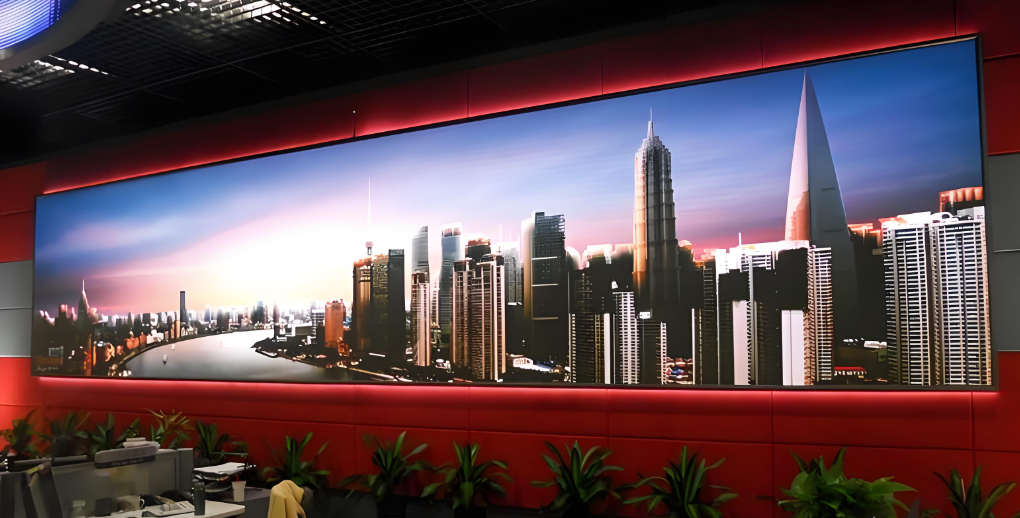
Entering 2026, with the maturation of MLED technology, P1.25 has transitioned from a cutting-edge laboratory product to a widely adopted solution for high-end conference rooms and command centers. However, tiered pricing in the market remains significant.
P1.25 Price Reference Table (Unit Price / sqm)
Configuration Level
Estimated Price Range (USD)
Core Features
Typical Applications
Flagship (COB / Full Gold Wire)
$4,500 – $5,500+
Ultra-high protection, seamless deep black, proprietary control system
Government command centers, XR virtual studios
Standard (SMD / Gold Wire)
$3,200 – $4,200
3840Hz+ refresh rate, high flatness, mainstream chips
Basic refresh rate, generic power supply, standard packaging
Budget-sensitive malls, standard mid-size meeting rooms
Why Is the Price Gap for P1.25 So Large? (Four Major Cost Drivers)
As a national high-tech enterprise, Sostron has conducted countless comparative tests in its 4,000㎡ R&D center and found that up to 80% of the price premium in P1.25 displays comes from internal components invisible to the naked eye.
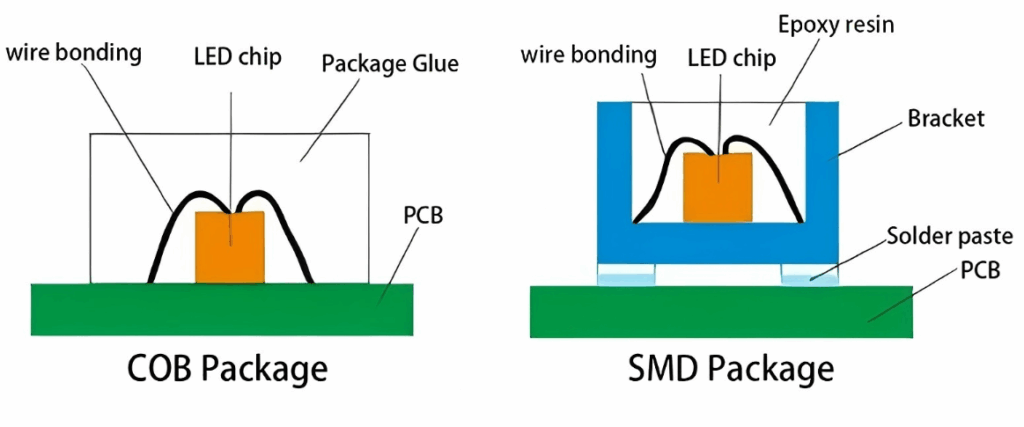
SMD LED display and COB LED display packaging
Packaging Technology Choice — SMD or the Latest COB?
Currently, P1.25 sits at a crossroads between SMD (Surface-Mount Device) and COB (Chip-on-Board) technologies.
COB Packaging: Chips are directly encapsulated on the PCB, offering exceptional resistance to water and impact. Pricing is typically 20%–30% higher than SMD at the same specification, but for projects demanding extreme black levels and zero pixel failure, it is a must-have option. Let you know the 6 differences between SMD LED display and COB LED display!
Core Components — LED Chip Brands and Driver IC Performance
This is the area most prone to “cost inflation” on quotations. Based on our experience with high-end projects, LED chips using gold-wire packaging from top-tier domestic brands (such as Nationstar) degrade 3–5 times more slowly than standard copper-wire LEDs.
In addition, the driver IC is the “brain” of the display. High-end ICs such as MBI5153 can easily achieve 3840Hz or even 7680Hz refresh rates. Lower-end chips, however, often show visible scan lines under camera capture—fatal for live events and broadcast studios.
Refresh Rate and Grayscale — 3840Hz Is the Turning Point
Low Refresh (1920Hz): Lower cost, but motion ghosting occurs, and long-term viewing can cause eye fatigue.
High Refresh (3840Hz–7680Hz): Meets broadcast-grade filming requirements and is now the standard configuration in the high-end commercial market.
Pitfall Avoidance Guide: Leveraging Sostron’s 14 Years of Experience to Escape “Low-Price Traps”
In B2B procurement, a low price often signals higher hidden costs. As an experienced manufacturer with a 15,000㎡ smart manufacturing base, we have seen too many clients save 15% upfront, only to pay over 50% more later in repairs and downtime.
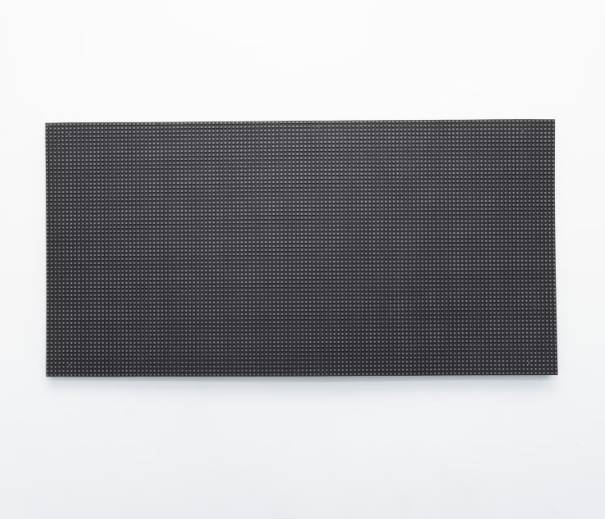
P1.25 fine-pitch LED display pixels
Common Low-Price Tactics to Watch For
Recycled Modules and Refurbished LEDs: Some non-compliant factories recycle old modules and repackage them. These displays may look fine initially, but after 3–6 months, poor LED consistency leads to visible color blocks and widespread dead pixels.
Non-Full Copper Wire Packaging: At the extremely tight pitch of P1.25, heat dissipation is critical. Low-cost solutions often replace gold or copper wire with alloy or aluminum wire, increasing resistance and heat buildup, eventually burning circuits.
Low Power Conversion Efficiency: Inferior power supplies operate below 70% efficiency, converting excess electricity into heat and accelerating LED lumen decay.
Expert Advice: When evaluating suppliers, always verify whether they hold “National High-Tech Enterprise” certification and request a Bill of Materials (BOM) to ensure power supplies, LEDs, and ICs all come from mainstream industry brands.
P1.25 Selection Recommendations by Industry
Different industries prioritize different aspects of P1.25. Based on Sostron’s global project feedback, we summarize the following selection logic:
Live Event Companies & Rental Providers — Durability and Refresh Rate Are Lifelines
Frequent installation, dismantling, and relocation are common in live events. We recommend prioritizing 7680Hz ultra-high refresh rates to eliminate moiré effects under professional cameras.
Product Note: While P1.25 is typically used for fixed installations, for high-precision stage requirements, Sostron’s Carbon Pro (carbon fiber series) architecture can be referenced, emphasizing lightweight construction and fast-lock mechanisms.
Manufacturing Engineers & Control Centers — Stability Above All
For command centers requiring 24/7 operation, flatness and heat dissipation directly determine system lifespan.
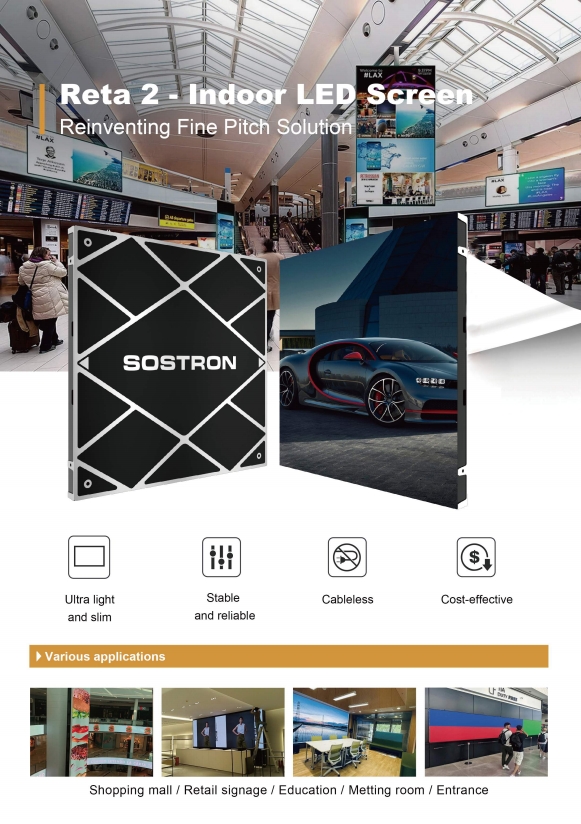
Small pitch LED Display – Reta2
Recommended Product: Sostron Reta 2 (Ultra-Thin Indoor Fine-Pitch) Key Advantages: Only 30mm thick, featuring a cableless design. This not only improves aesthetics but significantly reduces failure rates by minimizing physical connection points.